 |
|
||||||||||||||||||||||||||||
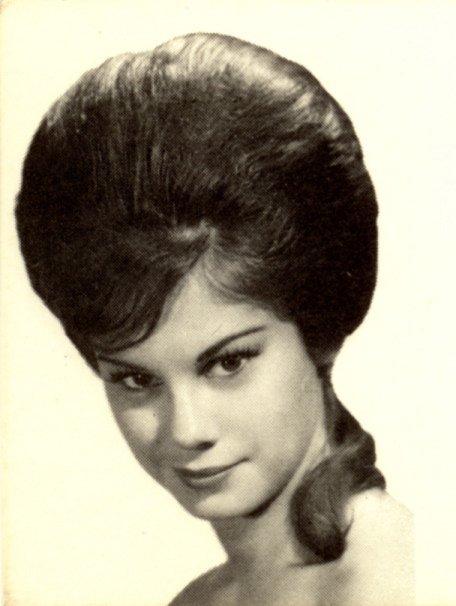 |
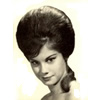
One of the first female vocalists and bandleaders to affect the rock ‘n’ roll music scene in Kansas, Ann was equally at ease singing rockabilly or covering the latest James Brown hit. She later moved to Las Vegas, where she found success until damage to her vocal cords ended her singing career. She now lives in California.
|
||||||||||||||||||||||||||||
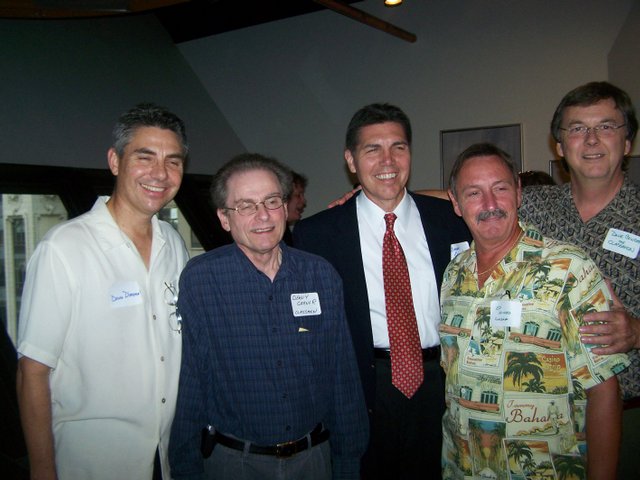 |
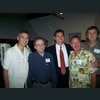
The harmonies of this group led by the Dimmel brothers made them local favorites in Kansas City and across the Midwest. Their old records bring big bucks these days online from collectors around the world. Their song “Graduation Goodbye” still gets radio airplay each spring.
|
||||||||||||||||||||||||||||
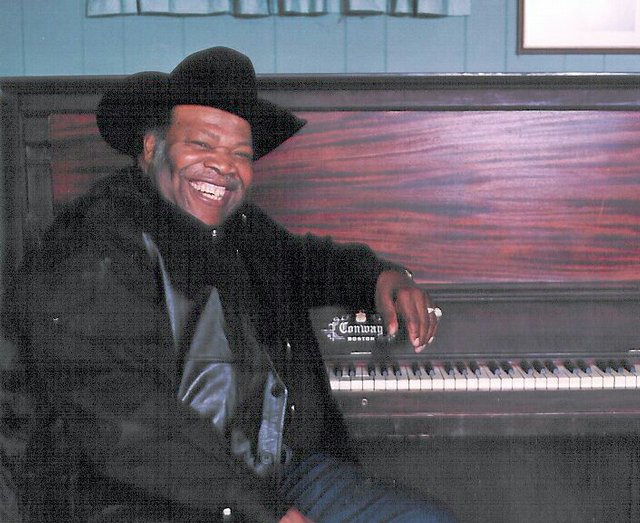 |
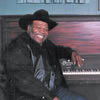
In a career that stretched from the late ’50s until he died in 2005, Big Al had hits on the pop, soul, disco and country charts.
|
||||||||||||||||||||||||||||
 |
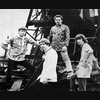
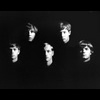
Originally formed in 1959 as the midknighters, the Fabulous Four has been known by a number of names, including the Fab Four, the Next Exit, Kansas City, and The Pretty. The band has also recorded for a number of labels such as Brass, Coral, Cavern, Pearce, Warner Bros., and Trump/Capitol, where it had its only charting hit, “Linda Was a Lady.” The original band consisted of drummer Alex Love, bassist Bob Theen, guitarist Jeff Mann, and keyboardist Mike Meyers. Drummer Mark Higbee would replace Alex Love in a later incarnation of the group. Known for its tight and precise instrumental arrangements and vocal harmonies, the Fabulous Four had a weekly gig at the Combo club in the Waldo district of Kansas City for many years. Later, it held court at a club in the Valentine district called the Attic, along with parties, clubs, and various events around the Midwest. The band’s last gig was in 2007. Guitarist Jeff Mann passed away in 2012, but the band’s fabulous sound will live on.
|
||||||||||||||||||||||||||||
 |
Out of the Western plains, this band moved to Emporia at one point and found the same success it had enjoyed at home. The band was popular at dances all across Kansas.
|
||||||||||||||||||||||||||||
 |
Gary Mac & the Mac Truque evolved out of another noteworthy Kansas City soul band, American Sound, Ltd. The Mac Truque was Garry Mac (guitar/vocals), Dani Gregory (lead vocals/percussion), Tim Ballard (vocals/ trumpet/tenor sax), Buddy Haney (bass/trumpet), and Ray Bagby (drums/trumpet). Many of the band members would play more than one instrument at once, and their performances were nothing short of astounding. Their album, Truqued Up, was recorded live by Capitol Records at the former Ambassador Hotel in Los Angeles in the Coconut Grove Lounge and released on the label in September 1969. The LP was produced by Kelly Gordon, who wrote “That’s Life” for Frank Sinatra. Gordon also wrote “Along Came Love” for Mac Truque. This Capitol Records 45, paired with a gritty version of “Mickey’s Monkey,” was their only single. To this day, both the LP and single are prized by soul music fans the world over. For those fortunate enough to see and hear them way back when, Garry Mac and the Mac Truque were simply the best blue-eyed soul band ever.
|
||||||||||||||||||||||||||||
 |
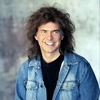
Pat Metheny played a Wichita jazz festival when he was fourteen years old, and by fifteen he was playing with the best in Kansas City. Winner of twenty Grammys in twelve categories (thirty-five nominations), his versatility is without peer on any instrument; no one else has won in more than ten different categories. He has performed with artists as diverse as Steve Reich, Ornette Coleman, Herbie Hancock, Jim Hall, Milton, Nascimento, and David Bowie. Pat’s body of work includes compositions for solo guitar, small ensembles, electric and acoustic instruments, large orchestras and ballet pieces, with settings ranging from modern jazz to rock to classical. He has sold more than twenty million records worldwide.
|
||||||||||||||||||||||||||||
 |
This singer-songwriter, who eventually went home to Chicago, was a part of the Good Karma stable of acts in Kansas City. He toured with Brewer & Shipley, the Ozark Mountain Daredevils, and Danny Cox before recording his first album for Kama Sutra Records. He works with numerous creative media and is a hands-on media artist. He is an award winning songwriter, composer of TV/film/commercials, recording artist, multi-instrumentalist, ASCAP songwriter and publisher, music producer, lyricist, entertainer, and engineer. He also designs websites and specializes as an interactive (web), broadcast, music, video, live action, special effects, and 3D animation producer. This Renaissance man is also a published novelist and Route 66 historian.
|
||||||||||||||||||||||||||||
 |
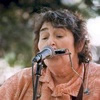
Beth Scalet (1948-2014) is an American recording artist, guitar player, singer/songwriter and harmonica player from Lawrence, Kansas. Beth came from a musical family, and while still in grade school she began working at her father’s Ottawa, Kansas music store. This exposed her to every style of music imaginable, including the blues (her first guitar lessons were from a nephew of KC Big Band great Bennie Moten). As a teenager, Beth was drawn to the burgeoning new folk movement of the early ’60s. She began playing guitar and singing with her first group, a trio influenced by artists like Peter, Paul, and Mary, Joan Baez, and Bob Dylan. By her college years, she was playing solo at coffeehouses and clubs in the Lawrence-Kansas City area, eventually expanding to college and club concerts across the country. from Washington, DC to Seattle, Washington. Her performances would feature original songs, but always included a core repertoire of blues standards like “St. James Infirmary” and “Come Back Baby.” She was tapped for the opening act when Manfred Mann came to KC at the height of their popularity, and the rave reviews she received led to many more opening gigs, including Jean Luc-Ponty, Billy Joel, Arlo Guthrie, Richard Thompson, Steve Goodman, Koko Taylor, New Grass Revival, Bill Monroe and the Bluegrass Boys, Jorma Kaukonen, Southside Johnny and the Asbury Jukes, Chris Smither, and many others. That Beth could reach audiences as diverse as this is a testament to her talent and to the accessibility of her music. She was inducted into the Kansas Music Hall of Fame in 2008, and soon after began receiving honors and recognition from the music industry at large. In 2008 she was a winner at the Independent Music Awards for her version of “St. James Infirmary Blues.” In 2009, Beth’s song “In the Daylight” was featured on the soundtrack of the hit TV show “Ghost Whisperer.” She’s been honored as a songwriter numerous times by the Billboard Song Contest (three times), the American Song Festival (three times), and by the American Songwriter’s Association. During her years as a recording artist, Beth issued six critically acclaimed albums and a “best of” compilation through her own production company, Marais des Cygnes Music. The full discography along with more biographical information can be found at her broadjam page.
|
||||||||||||||||||||||||||||
 |
One of the best of the many horn bands in Kansas back in the 1960s, this band was at the top of the heap in Hays. They toured extensively and always drew large crowds. Several veterans of the band continue to perform across the country.
|
||||||||||||||||||||||||||||
 |
This couple was a big part of the Kansas City music scene for many years, with a music publishing company and a record label, and as songwriters. “My Happiness” was written by Betty Blasco and Borney Bergantine, and became one of the most popular songs in the country in 1948. At least six different acts hit the charts with it that year, and Connie Francis took it to No. 2 on the Billboard chart in 1959. The song has been recorded by hundreds of different artists, and it’s also recognized as the very first song ever recorded by Elvis Presley in 1953.
|
||||||||||||||||||||||||||||
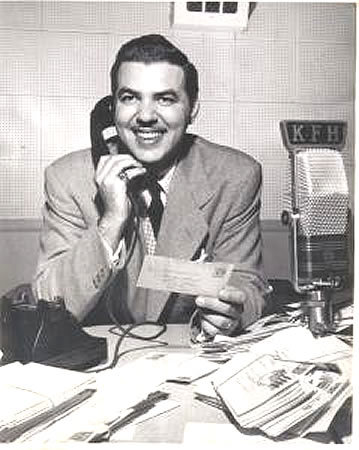 |
Songwriter Bill Post is the first winner of this award, named for the 2006 Hall of Fame inductee and founding member of the Hall of Fame board of directors, who died last year. Post’s career began during World War II, when he entertained troops in India and Burma before starting his own publishing firm in Los Angeles. He and his first wife, Doree, wrote and recorded many songs for several major labels, and more than 100 of their songs have been recorded by other artists. Connie Stevens had a huge hit with their song “Sixteen Reasons” in 1960. “Song for Young Love” was a hit for the Lettermen the same year. Eddie Cochran recorded “Weekend,” and Country Music Hall of Famer Don Robertson recorded “Life Goes On.” After Doree’s death in 1961, Bill returned to Kansas, where he continued to write and record. His farm near Arkansas City has been turned into a musical museum that has drawn thousands of visitors.
|
||||||||||||||||||||||||||||
Honoring the best in music from Kansas and Greater Kansas CIty